
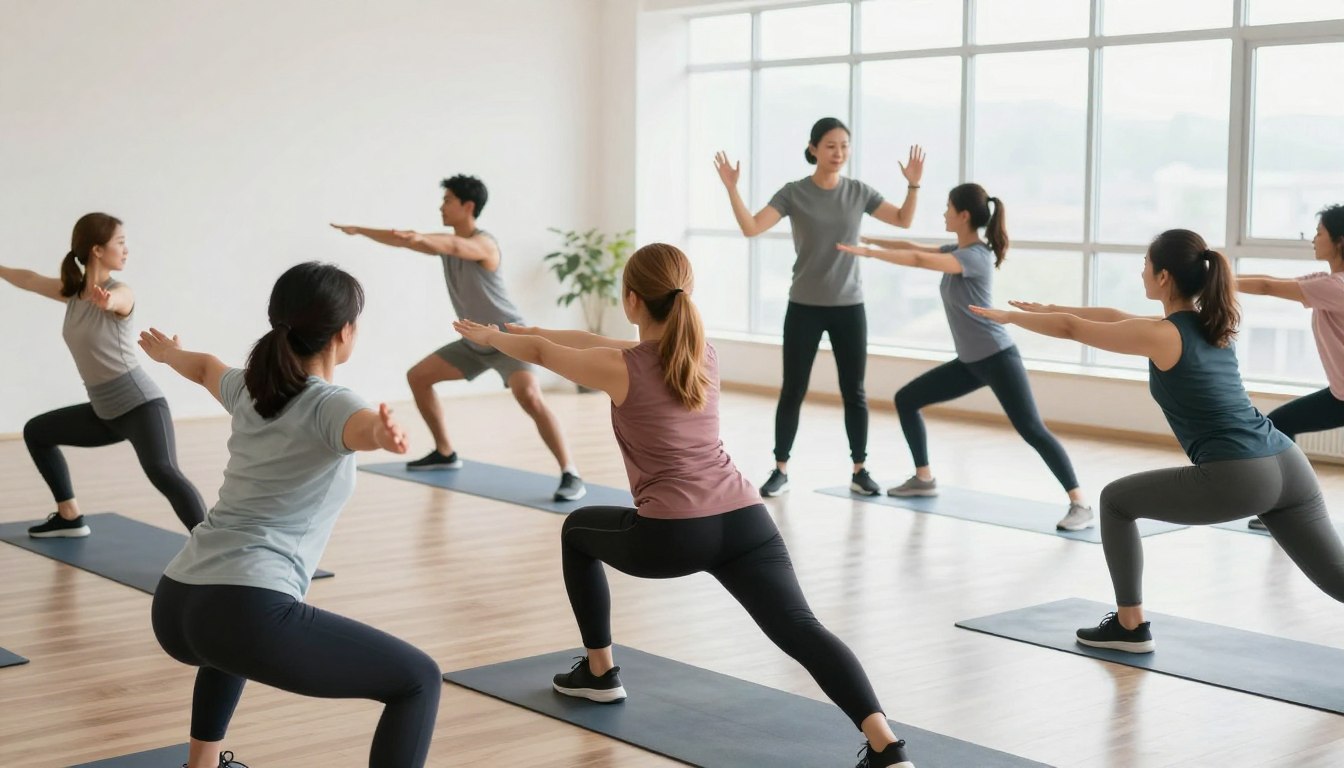
Did you know that nearly 80 percent of American adults fail to meet basic muscle-strengthening guidelines? This surprising statistic reveals why so many people struggle with simple tasks like carrying heavy bags or climbing stairs. A sedentary lifestyle often leads to restricted agility and nagging discomfort during your daily routine.
By focusing on the importance of functional movement, you can regain your natural stamina. These routines mimic real-life actions, making your body much more resilient and capable. Unlike machines that isolate one muscle, these patterns train your whole frame to work together to prevent common injuries.
These natural habits provide the agility you need to stay active. Embracing these routines ensures you remain independent and strong as you grow older. You will find that these specific advantages offer lasting health benefits for your heart and joints without requiring complicated gear.
Key Takeaways
- Enhances daily physical performance and ease.
- Reduces the risk of chronic injury over time.
- Improves balance and overall coordination.
- Supports long-term joint integrity and strength.
- Mimics real-world physical activities for better utility.
- Boosts overall metabolic efficiency and vitality.
What Is Functional Movement?
At its core, functional movement is about understanding and improving how our bodies move naturally. It’s an approach to exercise that focuses on the movements we perform in daily life, making it a practical and effective way to enhance our overall fitness and well-being.
Understanding Natural Body Mechanics
Natural body mechanics refer to the way our bodies are designed to move. This includes actions like squatting, lunging, pushing, pulling, and rotating, which are fundamental to performing daily tasks efficiently. Functional movement exercises are designed to improve these natural movements, enhancing our ability to carry out everyday activities with ease and reducing the risk of injury.
By understanding how our bodies are meant to move, we can identify areas where our movement patterns may be limited or inefficient. This knowledge allows us to target specific exercises that can help improve our overall mobility and strength.
How Functional Movement Differs from Traditional Exercise
Unlike traditional exercise methods that often focus on isolating specific muscles, functional movement involves training the body to perform integrated movements that work multiple muscle groups simultaneously. This approach not only improves overall fitness but also enhances coordination and balance.
Functional fitness benefits include improved performance in daily activities, reduced risk of injury, and enhanced overall physical fitness. By focusing on functional movement patterns, individuals can achieve a more balanced and capable physique.
Functional Movement Health Benefits
By focusing on functional movement, individuals can experience a wide range of health benefits that improve their quality of life. Functional movement is designed to enhance the body’s ability to perform daily tasks and activities with more efficiency and less strain. This approach to exercise and physical activity has been shown to have a positive impact on overall health and well-being.
Enhanced Daily Performance and Mobility
One of the primary benefits of functional training is the enhancement of daily performance and mobility. By strengthening the muscles and improving flexibility, individuals can perform everyday tasks with greater ease. This includes activities such as carrying groceries, playing with children, or simply walking up the stairs without feeling fatigued.
Functional flexibility benefits are also significant, as improved flexibility reduces the risk of injury and enhances overall mobility. This allows individuals to maintain their independence and continue to engage in activities they enjoy as they age.
Injury Prevention and Reduced Pain
Another crucial advantage of functional movement is its role in injury prevention and reduced pain. By strengthening the muscles around the joints and improving balance and coordination, individuals can significantly reduce their risk of injury. Moreover, functional movement can help alleviate chronic pain by improving joint health and reducing muscle imbalances.
Improved Balance and Coordination
Functional strength benefits include improved balance and coordination, which are critical for preventing falls and maintaining mobility. As people age, their balance and coordination can deteriorate, leading to an increased risk of falls. Functional movement exercises help to strengthen the core and improve proprioception (the body’s ability to sense its position in space), thereby enhancing overall balance and reducing the risk of falls.
Better Posture and Body Awareness
Finally, functional movement promotes better posture and body awareness. By strengthening the core and improving flexibility, individuals can maintain a healthier posture, reducing the risk of back pain and other musculoskeletal issues. Enhanced body awareness also helps individuals to move more efficiently and effectively, further improving their overall quality of life.
Assessing Your Current Movement Capabilities
Assessing your movement capabilities is a vital step in creating a personalized functional movement training plan. Understanding your strengths and weaknesses helps in designing exercises that cater to your specific needs, thereby enhancing the effectiveness of your training.
By evaluating your current movement patterns, you can identify areas that require improvement and develop a tailored approach to achieve better mobility and overall health through functional movement exercises.
Simple Self-Assessment Tests You Can Do at Home
You can start by performing simple self-assessment tests in the comfort of your home. These tests help in understanding your current level of mobility and flexibility. For instance, you can try the following:
- Squat test: Stand with your feet shoulder-width apart and squat down. Observe if you can do it smoothly without any pain or discomfort.
- Single-leg stand: Stand on one leg for 30 seconds. This test helps in assessing your balance and stability.
- Arm circle: Hold your arms straight out to the sides and make small circles. This test evaluates your shoulder mobility.
Identifying Your Movement Limitations
Once you’ve performed these self-assessment tests, identify any limitations or discomfort you experienced during the exercises. Common movement limitations include restricted range of motion, pain in certain joints, or difficulty in maintaining balance.
Recognizing these limitations is crucial for creating a functional movement training plan that addresses your specific needs and helps you progress gradually.
When to Consult a Professional
If you experience significant pain or discomfort during these self-assessment tests, or if you’re unsure about how to proceed with functional movement exercises, it’s advisable to consult a professional. A qualified trainer or physical therapist can provide personalized guidance and help you develop a safe and effective training plan.
They can also help in identifying underlying issues that may be contributing to your movement limitations and recommend appropriate exercises to address these issues.
The Seven Essential Functional Movement Patterns
Mastering the seven essential functional movement patterns is crucial for achieving overall fitness and enhancing daily performance. These patterns form the foundation of functional strength and are essential for improving mobility, reducing injury risk, and enhancing overall health.
Squat: Building Lower Body Foundation
The squat is a fundamental movement pattern that strengthens the lower body, including the legs, glutes, and core. It’s essential for daily activities such as sitting down and standing up.
Bodyweight Squat Basics
To perform a bodyweight squat, stand with your feet shoulder-width apart, then lower your body down until your thighs are parallel to the ground. Keep your back straight and push through your heels to return to standing.
Progression Tips for Squatting
To progress your squat, you can add weight using dumbbells or a barbell, or try variations like the sumo squat or pistol squat.
Lunge: Developing Single-Leg Stability
Lunges are crucial for developing balance, stability, and strength in the legs. They mimic daily activities such as walking and climbing stairs.
Forward and Reverse Lunge Techniques
To perform a forward lunge, step out with one foot and lower your body until your back knee almost touches the ground. For a reverse lunge, step backward instead. Alternate legs with each rep.
Push: Strengthening Your Upper Body
Pushing movements are essential for building upper body strength, particularly in the chest, shoulders, and triceps.
Push-Up Variations for All Levels
Push-ups are a classic pushing exercise. Variations include knee push-ups for beginners, standard push-ups, and diamond push-ups for advanced individuals.
Pull: Creating Muscular Balance
Pulling movements are vital for balancing the strength developed through pushing exercises. They target the back, shoulders, and arms.
Rowing and Pulling Movements
Rowing exercises, such as the bent-over row or seated row, are effective for strengthening the back and improving posture.
Hinge: Mastering Hip Movement
The hinge movement pattern is critical for strengthening the posterior chain, including the hamstrings, glutes, and lower back.
Deadlift Pattern Fundamentals
Deadlifts are a key exercise for the hinge pattern. They involve lifting a weight from the ground to hip level, keeping your back straight and engaging your core.
Rotate: Enhancing Core Stability
Rotational movements improve core strength and stability, which are essential for many daily and athletic activities.
Safe Rotational Exercises
Exercises like the Russian twist and cable rotation are effective for improving rotational strength. Always keep your core engaged to maintain stability.
Gait: Improving Walking and Running Mechanics
Gait training involves improving your walking and running mechanics. Proper gait can reduce the risk of injury and improve overall mobility.
Understanding and incorporating these seven functional movement patterns into your exercise routine can significantly enhance your overall fitness and reduce the risk of injury.
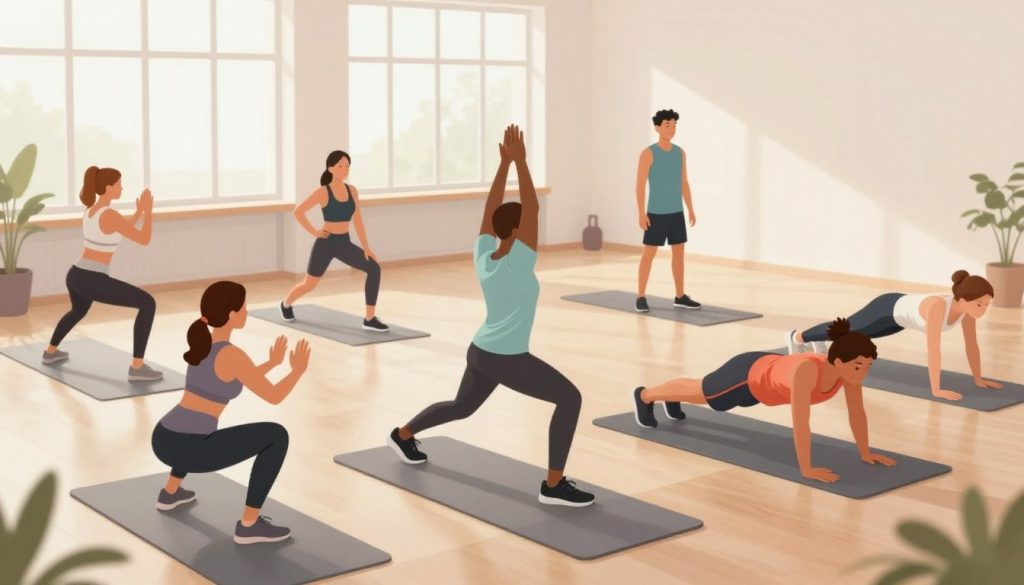
| Movement Pattern | Primary Muscles Involved | Example Exercises |
|---|---|---|
| Squat | Legs, Glutes, Core | Bodyweight Squat, Goblet Squat |
| Lunge | Legs, Glutes, Core | Forward Lunge, Reverse Lunge |
| Push | Chest, Shoulders, Triceps | Push-Up, Bench Press |
| Pull | Back, Shoulders, Biceps | Pull-Up, Rowing Exercises |
| Hinge | Hamstrings, Glutes, Lower Back | Deadlift, Romanian Deadlift |
| Rotate | Core, Obliques | Russian Twist, Cable Rotation |
| Gait | Legs, Core, Glutes | Walking, Running, Gait Drills |
Getting Started with Functional Movement Exercises
Getting started with functional movement training is easier than you think, and it can significantly enhance your quality of life. The key is to begin with the fundamentals and progress gradually. Functional movement exercises are designed to improve your daily functioning and overall well-being by enhancing your strength, flexibility, and coordination.
Step 1: Begin with Mobility Work
Before diving into more intense exercises, it’s crucial to prepare your body with mobility work. This step is essential for preventing injuries and ensuring that you can perform exercises effectively.
Dynamic Warm-Up Routines
A dynamic warm-up routine is an excellent way to start your functional training. It involves moving your joints through a range of motions while keeping your muscles active. Examples include leg swings, arm circles, and torso twists.
- Leg swings: Front and back, side to side
- Arm circles: Forward and backward
- Torso twists: Standing or seated
Joint Preparation Exercises
Joint preparation exercises help increase blood flow and reduce stiffness. Simple exercises like ankle rotations, wrist extensions, and neck stretches can make a significant difference.
- Ankle rotations: Clockwise and counterclockwise
- Wrist extensions: With or without weights
- Neck stretches: Ear to shoulder, chin tucks
Step 2: Master Bodyweight Movements First
Mastering bodyweight movements is a critical step in functional training. It helps build a strong foundation and ensures that you have the necessary strength and technique for more advanced exercises.
Essential Beginner Exercises
Start with exercises that work multiple muscle groups at once. Examples include squats, lunges, push-ups, and planks.
- Squats: Works legs and glutes
- Lunges: Targets legs, glutes, and improves balance
- Push-ups: Strengthens chest, shoulders, and triceps
- Planks: Enhances core stability
Proper Form and Technique Guidelines
Proper form and technique are crucial to getting the most out of your exercises and preventing injuries. Focus on slow, controlled movements and engage your core.
Key tips:
- Keep your back straight during squats and lunges
- Engage your core during planks and other exercises
- Lower yourself slowly during push-ups
Step 3: Create Your Weekly Routine
Creating a weekly routine helps you stay consistent and ensures that you’re making progressive gains in your functional training.
Sample 3-Day Functional Training Schedule
| Day | Exercises | Sets/Reps |
|---|---|---|
| Monday | Squats, Push-ups, Planks | 3 sets of 10 reps |
| Wednesday | Lunges, Pull-ups, Russian twists | 3 sets of 12 reps |
| Friday | Deadlifts, Dips, Leg raises | 3 sets of 15 reps |
Balancing Volume and Recovery
It’s essential to balance your workout volume with adequate recovery time. Ensure you’re getting enough rest and nutrition to support your training.
Remember, recovery is just as important as the exercise itself.
Integrating Functional Movement into Daily Life
Functional movement is not just about exercise; it’s about transforming your daily life into a healthier, more active experience. By incorporating functional movements into your daily routine, you can enhance your overall health, improve your mobility, and reduce the risk of injury.
To start, it’s essential to understand that functional movement isn’t limited to the gym or dedicated exercise sessions. It’s about making the most of every opportunity to move in a way that benefits your body.
Making Movement Part of Your Morning Routine
Beginning your day with functional movement can set a positive tone and boost your energy levels. Simple actions like stretching as you get out of bed, doing a few squats while brushing your teeth, or incorporating some light lunges into your morning routine can make a significant difference.
- Start with gentle stretches to loosen up your muscles.
- Incorporate bodyweight exercises like squats and lunges.
- Use your morning routine as an opportunity to practice deep, controlled breathing.
Workplace Movement Strategies
For many of us, a significant portion of our day is spent at work, often sitting at a desk. Incorporating functional movement into your workday can help counteract the negative effects of prolonged sitting.
Simple Strategies:
- Take regular breaks to stand up, stretch, and move around.
- Use a standing desk or adjustable workstation to alternate between sitting and standing.
- Incorporate desk exercises, such as chair squats or desk push-ups.
Active Living Throughout the Day
Beyond structured exercise and workplace strategies, there are countless ways to stay active throughout the day. This can include taking the stairs instead of the elevator, walking to a coworker’s desk instead of sending an email, or doing a few leg lifts while watching TV.
The key is to stay mindful of your movement opportunities and make the most of them.
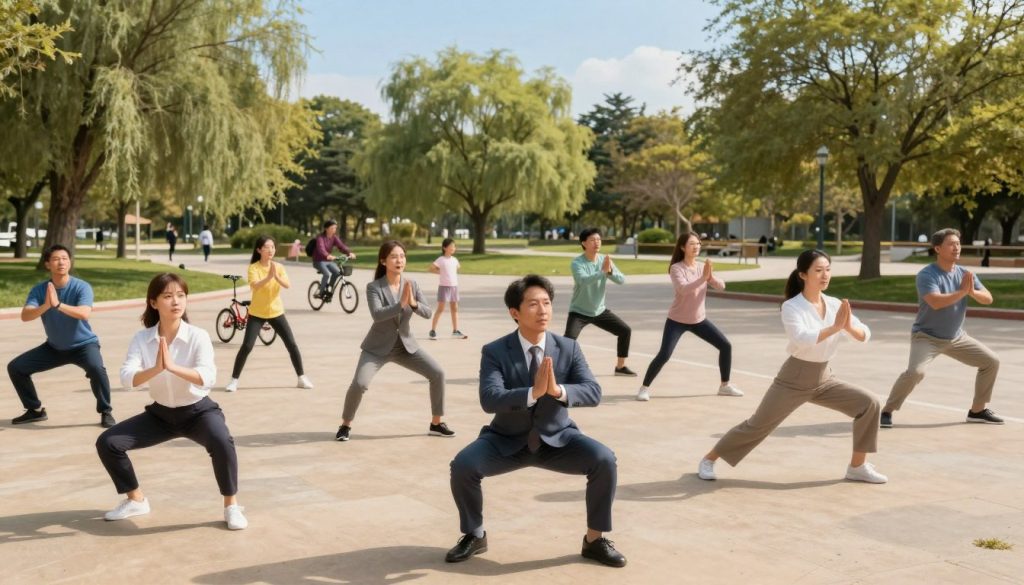
By integrating functional movement into your daily life, you can experience the numerous advantages of functional movement, from improved health and mobility to enhanced overall functionality.
Common Mistakes to Avoid
When starting a functional movement practice, it’s crucial to be aware of common pitfalls that can hinder progress or lead to injury. Functional movement exercises are designed to improve daily functioning and overall health, but like any form of exercise, they require careful attention to proper form and practice.
Skipping the Warm-Up
One of the most common mistakes is skipping the warm-up. A proper warm-up prepares your muscles for the upcoming exercise, increasing blood flow and reducing the risk of injury. A good warm-up should include dynamic stretches and movements that mimic the exercises you plan to do. For example, if you’re planning to do squats, your warm-up could include leg swings and lunges.
Pushing Through Pain
Another critical error is pushing through pain. While some discomfort is normal when starting a new exercise regimen, sharp or persistent pain is a sign that something is wrong. Ignoring pain can lead to serious injuries that may require medical attention. It’s essential to listen to your body and stop if you experience pain.
Neglecting Progressive Overload
Neglecting progressive overload is a mistake that can stall your progress. Progressive overload refers to the gradual increase in weight, resistance, or reps over time to continue challenging your muscles. Without progressive overload, your body will adapt to the exercises, and you may reach a plateau. To avoid this, regularly assess your routine and make necessary adjustments.
Ignoring Recovery and Rest Days
Finally, ignoring recovery and rest days can undermine the benefits of your functional movement practice. Recovery is when your body repairs and strengthens itself. Without adequate rest, you risk overtraining, which can lead to fatigue, decreased performance, and increased risk of injury. Ensure you’re including rest days in your routine and prioritizing recovery techniques such as stretching and foam rolling.
By being aware of these common mistakes and taking steps to avoid them, you can maximize the benefits of functional training and achieve your health and fitness goals more effectively. Remember, the key to a successful practice is consistency, patience, and a willingness to learn and adapt.
- Always warm up before starting your functional movement exercises.
- Listen to your body and stop if you experience pain.
- Gradually increase the intensity of your workouts.
- Include rest days in your routine to allow for recovery.
Conclusion
The importance of functional movement lies in its ability to improve overall health and well-being. By incorporating functional movement exercises into daily life, individuals can experience numerous functional movement health benefits, including enhanced daily performance and mobility, injury prevention, and improved balance and coordination.
Functional fitness benefits extend beyond the gym, enabling individuals to perform daily tasks with ease and efficiency. By mastering the seven essential functional movement patterns, individuals can develop a strong foundation for overall fitness and health.
As you begin your functional movement journey, remember to start with mobility work, master bodyweight movements, and gradually progress to more challenging exercises. By doing so, you can unlock the full potential of functional movement and enjoy the many rewards it has to offer.
By understanding the importance of functional movement and incorporating it into daily life, individuals can take a proactive approach to maintaining their health and well-being.