
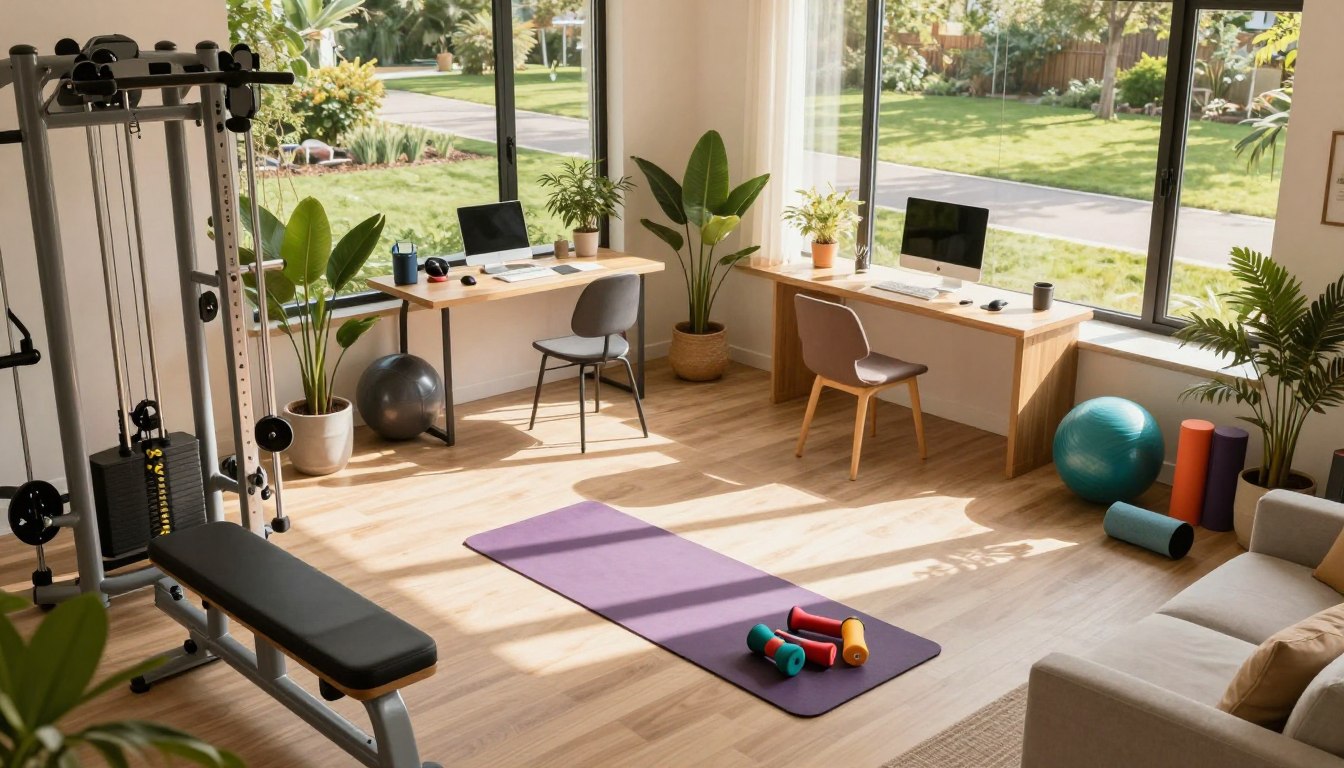
Did you know that the average American spends about 90% of their time indoors? This startling statistic reveals how much our immediate environment shapes our daily habits and physical health. When we stay inside for nearly 22 hours a day, our surroundings must support our movement.
Many people assume that fitness requires a gym membership or dedicated hours of intense exercise. However, lasting wellness starts with a thoughtful active lifestyle design that makes movement a natural part of your routine. It is about creating a home that moves with you.
By applying a few simple healthy living tips, you can transform a stagnant room into a space full of energy. Small changes to your furniture layout or decor can prompt you to stretch, stand, or walk more often. Imagine waking up in a house that naturally boosts your stamina and mood.
Redesigning your habits and your space is the most effective way to achieve a vibrant life. This guide will show you how to build a foundation for a stronger, more energetic version of yourself.
Key Takeaways
- Create environments that prompt frequent and natural movement.
- Use natural light and open spaces to improve your daily mood.
- Select ergonomic furniture that supports better body posture.
- Keep fitness tools visible to encourage quick exercise breaks.
- Organize your kitchen to make healthy nutrition choices easier.
- Set up specific zones for both high energy and deep relaxation.
1. The Foundation of Active Lifestyle Design
To design an active lifestyle, you must first understand the core elements that drive your daily movements and habits. This involves a holistic approach, considering not just your physical environment but also your personal goals, challenges, and energy levels. By laying this foundation, you can create a tailored strategy that fits your unique needs and fosters a more active you.
Defining Your Personal Activity Vision
Defining your personal activity vision is the first step towards an active lifestyle. It involves setting clear, achievable goals that align with your fitness inspiration and wellness strategies. Consider what motivates you, whether it’s improving health, increasing energy, or enhancing overall well-being. Your vision should be specific, measurable, and attainable, providing a clear direction for your daily activities.
For instance, you might aim to dedicate a certain number of hours each week to physical activity or set a goal to walk a certain number of steps daily. Having a clear vision helps in making conscious choices that support your active lifestyle.
Identifying Your Movement Barriers and Solutions
Understanding the barriers to your movement is crucial. Common obstacles include lack of time, lack of motivation, or environmental factors such as a sedentary work environment. Identifying these barriers allows you to devise strategies to overcome them.
| Barrier | Solution |
|---|---|
| Lack of Time | Schedule short exercise sessions into your daily planner. |
| Lack of Motivation | Find a workout buddy or join a fitness class. |
| Sedentary Work Environment | Use a standing desk or take regular walking breaks. |
Aligning Your Environment With Your Energy Levels
Your environment plays a significant role in your activity levels. Aligning your daily routines and environment with your natural energy levels can significantly enhance your ability to maintain an active lifestyle. For example, if you’re more energetic in the mornings, schedule your most intense workouts then.
Moreover, making simple changes such as taking the stairs instead of the elevator or walking to a coworker’s desk instead of sending an email can contribute to a more active lifestyle. It’s about creating an environment that supports and encourages movement.
By understanding your personal activity vision, identifying and overcoming barriers, and aligning your environment with your energy levels, you lay a solid foundation for an active lifestyle. This foundation is crucial for sustaining long-term changes and achieving your wellness goals.
2. Redesigning Your Home for Natural Movement
By making a few simple changes to your home, you can cultivate a more active and energized living space. Redesigning your home to encourage natural movement is a crucial step in active lifestyle design. This involves creating an environment that promotes physical activity and reduces sedentary behavior.
Creating Dedicated Fitness Zones in Small Spaces
Even in small homes, it’s possible to create dedicated areas for exercise and physical activity. As “The way we live and interact with our environment has a profound impact on our health and wellbeing.” This can be achieved by optimizing the use of available space.
Living Room Workout Areas
Converting a corner of your living room into a workout area is a great way to stay active. You can use a yoga mat, resistance bands, or even a compact exercise bike. Consider using multi-functional furniture that serves both as a workout equipment storage and a decorative piece.
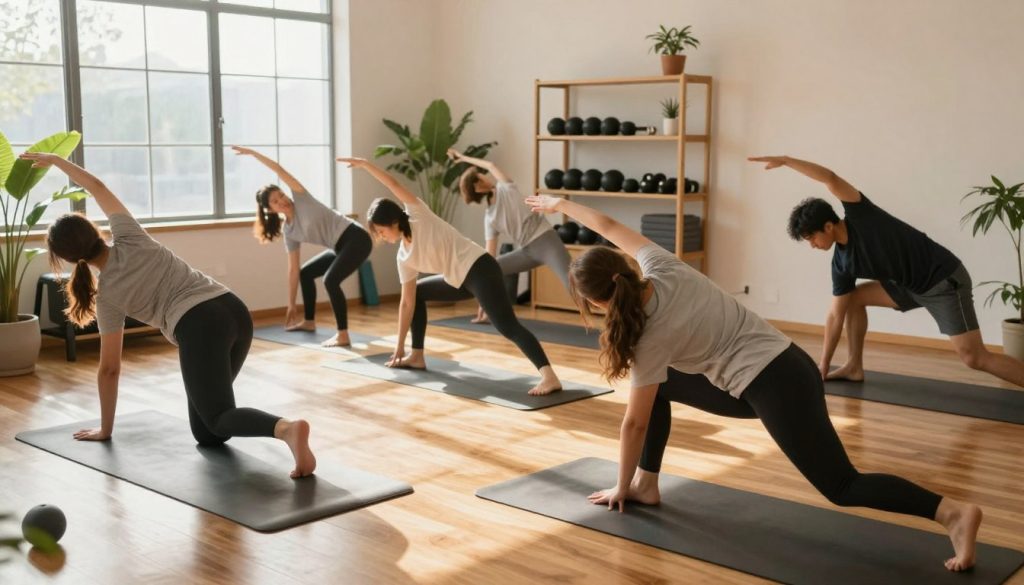
Creating an exercise corner in your bedroom can be as simple as dedicating a small area for stretching or bodyweight exercises. This can be particularly useful for morning exercise routines that help boost your energy levels throughout the day.
Strategic Equipment Placement for Daily Use
Strategically placing exercise equipment in high-traffic areas can encourage daily use. For example, placing a stationary bike near a window or in a hallway can make it more likely that you’ll use it regularly. As a result, you’ll be more inclined to incorporate exercise routines into your daily schedule.
Removing Sedentary Temptations and Adding Active Alternatives
To promote a more active lifestyle, it’s essential to identify and remove temptations that lead to sedentary behavior. For instance, replacing a large TV with a smaller one or moving it to a less prominent location can reduce screen time. Instead, you can add active alternatives like a standing desk or a balance ball chair.
“The key to a successful active lifestyle is making small, sustainable changes that add up over time.”
By implementing these changes, you can create a home environment that supports your active lifestyle goals and encourages natural movement throughout the day.
3. Building a Movement-Rich Daily Schedule
Incorporating movement into your daily schedule is essential for sustaining energy and overall well-being. A well-structured daily routine can help you stay active, improve your health, and increase productivity. By making a few simple changes to your daily habits, you can create a more balanced and active lifestyle.
Designing Energizing Morning Exercise Routines
Starting your day with a morning exercise routine can boost your energy levels and set a positive tone for the day. Consider incorporating activities like yoga, jogging, or weightlifting into your morning schedule. For example, a 10-minute yoga routine can help increase flexibility and wakefulness.
Tips for an Effective Morning Routine:
- Start with gentle stretches to loosen up your muscles.
- Gradually increase the intensity of your workout.
- Include activities that you enjoy to keep you motivated.
Incorporating Walking and Standing Into Work Hours
Incorporating more physical activity into your workday can be simple and effective. Consider taking short walks during your breaks or using a standing desk to reduce sedentary behavior. According to a study, standing for at least 30 minutes a day can improve overall health.
| Activity | Duration | Benefits |
|---|---|---|
| Short Walk | 10 minutes | Increases blood flow and energy |
| Standing Desk | 30 minutes | Reduces sedentary behavior and improves posture |
| Stretching | 5 minutes | Relaxes muscles and improves flexibility |
Planning Active Evening and Weekend Activities
Planning active evening and weekend activities can help you maintain a consistent level of physical activity throughout the week. Consider engaging in outdoor activities like hiking, cycling, or swimming. As Jane Doe, a fitness enthusiast, once said,
“The key to a healthy lifestyle is finding activities you enjoy and making them a regular part of your routine.”
Some ideas for active evening and weekend activities include:
- Going for a bike ride or a walk in a nearby park.
- Engaging in team sports or joining a recreational league.
- Trying a new outdoor activity, such as kayaking or rock climbing.
By incorporating these strategies into your daily schedule, you can create a more active and balanced lifestyle. Remember to balance activity with rest to avoid burnout and maintain motivation.
4. Supporting Your Active Life With Wellness Strategies
Embracing an active lifestyle requires more than just physical activity; it demands a holistic approach to wellness. This involves integrating various strategies that support your overall health and enhance your ability to maintain an active life.
Nutrition Guidelines That Fuel Movement
A well-balanced diet is crucial for fueling your movements and supporting your active lifestyle. The right nutrition helps in optimizing performance and recovery.
Pre-Activity Eating Strategies
Eating the right foods before activity can significantly impact your performance. Complex carbohydrates and lean proteins are recommended as they provide sustained energy. A balanced meal consumed 1-3 hours before activity can help in achieving optimal performance.
Post-Workout Recovery Nutrition
After a workout, it’s essential to refuel your body with the right nutrients to aid in recovery. Consuming a mix of carbohydrates and proteins within 30-60 minutes post-exercise can help in muscle recovery and replenishing energy stores.
“Recovery is an essential part of the training process. Proper nutrition post-workout can significantly enhance your body’s ability to recover and adapt to the demands placed upon it.”
Using Mindfulness Practices to Maintain Motivation
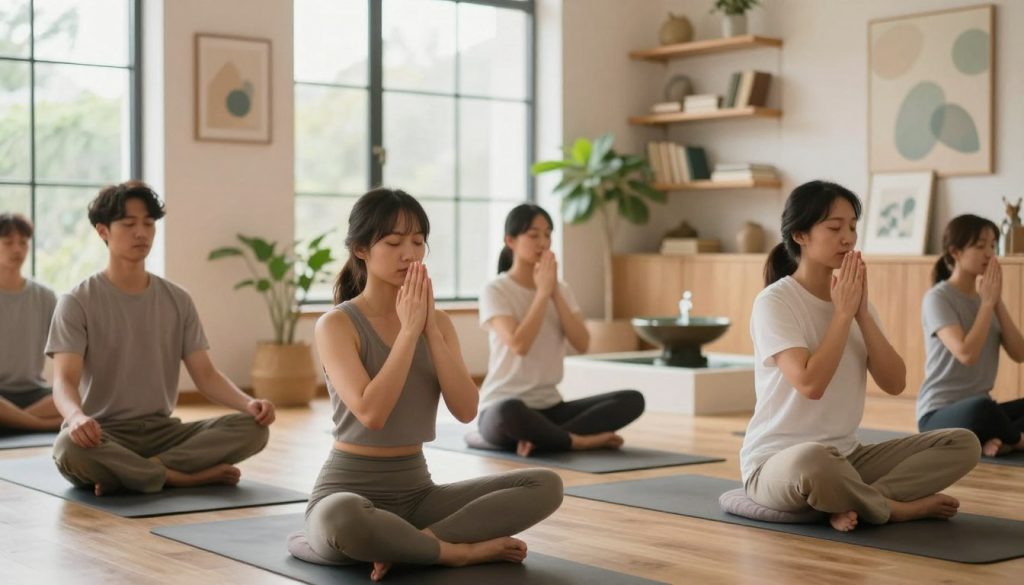
Mindfulness practices play a significant role in maintaining motivation and enhancing overall well-being. Techniques such as meditation and deep breathing can help in reducing stress and improving focus.
Incorporating mindfulness into your daily routine can be as simple as dedicating a few minutes each day to mindful breathing or meditation. This practice can help in maintaining a positive mindset and keeping you motivated towards your active lifestyle goals.
Optimizing Sleep for Energy and Recovery
Adequate sleep is vital for energy and recovery. It plays a crucial role in physical repair and mental rejuvenation. Ensuring you get 7-9 hours of quality sleep each night can significantly impact your ability to maintain an active lifestyle.
Establishing a consistent sleep schedule and creating a sleep-conducive environment can help in improving sleep quality. Avoiding caffeine and electronic screens before bedtime can also contribute to better sleep.
5. Conclusion
Crafting an active lifestyle is a journey that involves transforming your environment, habits, and mindset. By applying the design tips outlined in this guide, you can create a more active, healthier, and more energetic you. Redesigning your home, building a movement-rich daily schedule, and supporting your efforts with wellness strategies are key steps towards achieving your active lifestyle design goals.
Every small change counts, and consistency is crucial to long-term success. Start by incorporating one or two changes into your daily routine and gradually build upon them. With time and persistence, you’ll be on your way to embracing an active lifestyle that brings numerous physical and mental health benefits.
By making active lifestyle design a priority, you’ll not only improve your overall well-being but also enhance your quality of life. So, take the first step today and begin your journey towards a healthier, more active you.