
Research shows the average modern adult spends nearly 90% of their life indoors, often stuck in static positions that ignore our evolutionary design. This sedentary lifestyle creates physical tension that we rarely notice until it finally starts to hurt. High levels of inactivity can lead to chronic fatigue and a loss of coordination over time.
By focusing on optimal body mechanics, you can begin to unlock your full physical potential and feel younger. It is about working with your anatomy instead of fighting against it. When you align your daily actions with your innate structure, you feel an immediate shift in your energy levels.
Think back to how children play with effortless grace and agility. They instinctively use efficient physical flows to navigate the world around them without pain or restriction. Reconnecting with these instincts helps you feel lighter and more energetic throughout your daily routine.
You deserve to thrive with comfort every single day. Improving your health does not always require intense gym sessions or expensive gear. Small shifts in how you navigate your environment can significantly boost your longevity.
Let’s explore how rediscovering your innate physical flow can transform your fitness journey. Adopting these healthful patterns allows for a more vibrant and active life. Simple adjustments today can lead to a much stronger future.
Key Takeaways
- Restore your posture by following evolutionary designs.
- Enhance daily energy with efficient physical patterns.
- Decrease chronic discomfort through smarter positioning.
- Integrate active flows into your normal work schedule.
- Reclaim the agility of your younger years effortlessly.
- Improve long-term vitality with better physical choices.
Understanding Natural Movement and Why It Matters for Your Body
Embracing natural movement means aligning our physical activities with the body’s instinctual movement patterns. This alignment is crucial for achieving harmonious body motion and improving overall fitness.
Natural movement is not just about physical activity; it’s about understanding how our bodies are designed to move. By embracing this concept, we can improve our fluid movement patterns and reduce the risk of injury.
What Natural Movement Actually Means in Modern Fitness
In modern fitness, natural movement refers to the innate ability of our bodies to perform physical activities without forced or artificial constraints. It’s about moving in a way that feels natural and effortless, leveraging our instinctual movement patterns.
This approach to fitness emphasizes the importance of variability and adaptability in our movements, allowing us to maintain fluid movement patterns and avoid the rigidity that can come from repetitive, mechanized exercise routines.
The Science Behind Instinctual Movement Patterns
Research into human movement has shown that our bodies have an innate tendency towards certain movement patterns. These instinctual movement patterns are rooted in our evolutionary history and are essential for efficient and effective locomotion.
Understanding the science behind these patterns can help us appreciate the importance of harmonious body motion and how it contributes to our overall well-being.
How Sedentary Habits Have Disrupted Our Body Mechanics
Modern lifestyles often involve prolonged periods of sedentary behavior, which can significantly disrupt our natural movement patterns. This disruption can lead to a decline in our fluid movement patterns and overall mobility.
By recognizing the impact of sedentary habits on our body mechanics, we can take steps to restore our natural movement capabilities and promote harmonious body motion.
Evaluating Your Current Movement Quality
Understanding how you move is key to developing efficient physical habits. To make meaningful changes, you first need to assess your current movement quality. This involves becoming more aware of your daily movements and identifying areas that may be holding you back.
Step 1: Document How You Move Throughout Your Day
Start by paying attention to how you move throughout the day. Take note of your posture, how you sit, stand, and walk. You can even record yourself to analyze your movements later. This step helps you become more mindful of your mindful body movement routines.
- Record your movements at different times of the day.
- Note any patterns or habits that you observe.
- Identify any movements that feel strained or uncomfortable.
Step 2: Test Your Basic Movement Capabilities
Testing your basic movement capabilities is crucial for understanding your current physical condition. This involves assessing your flexibility, strength, and mobility.
Floor Mobility Assessment
Perform a simple floor mobility assessment by trying to sit on the floor with your legs straight out in front of you. Then, attempt to stand up from this position without using your hands. This test can reveal a lot about your hip and lower back mobility.
Range of Motion Check
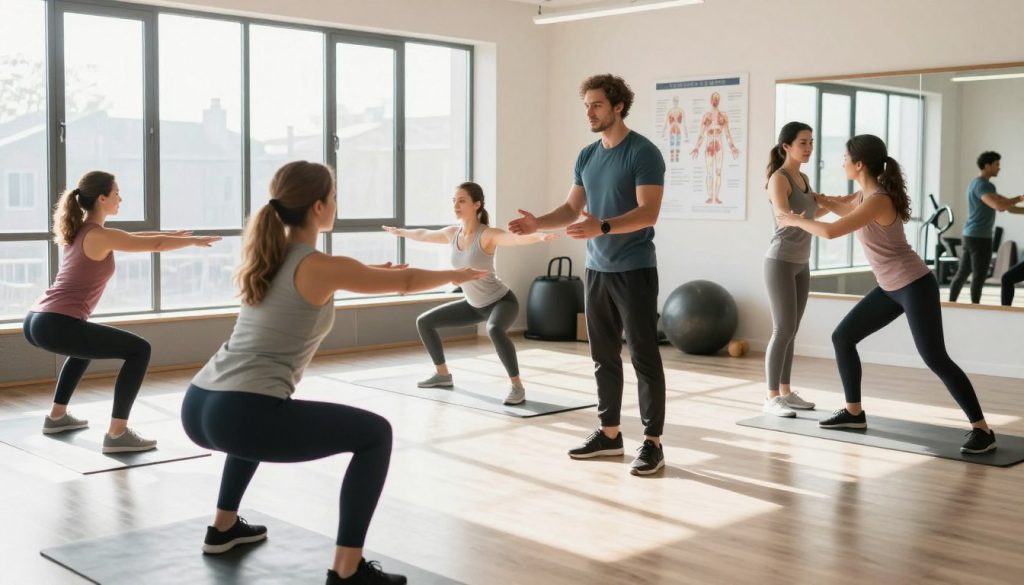
Check your range of motion by performing simple exercises like squatting, lunging, or doing leg swings. These movements can help you understand your joint mobility and flexibility.
Step 3: Identify Your Movement Comfort Zones and Blind Spots
After assessing your movement capabilities, identify areas where you feel comfortable and those that are challenging. Recognizing your comfort zones and blind spots is essential for creating a personalized improvement plan.
“The way we move is a reflection of our overall health and well-being. By becoming more aware of our movements, we can take the first step towards a healthier, more active lifestyle.”
By following these steps, you can gain a better understanding of your current movement quality and identify areas for improvement. This knowledge will empower you to make positive changes and develop more efficient physical habits.
Essential Natural Body Movement Habits to Practice Daily
By integrating essential natural body movement habits into your daily life, you can experience profound benefits for your physical and mental health. These habits not only improve your mobility and strength but also enhance your overall well-being.
Step 4: Relearn Fundamental Ground Movements
Relearning fundamental ground movements is crucial for restoring natural body mechanics. This involves practicing basic movements that your body is designed to perform.
Deep Squatting for Hip and Ankle Mobility
Deep squatting is an effective way to improve hip and ankle mobility. To practice deep squatting:
- Stand with your feet shoulder-width apart.
- Slowly lower your body down into a squat, keeping your back straight and your knees behind your toes.
- Hold the squat for a few seconds before standing up.
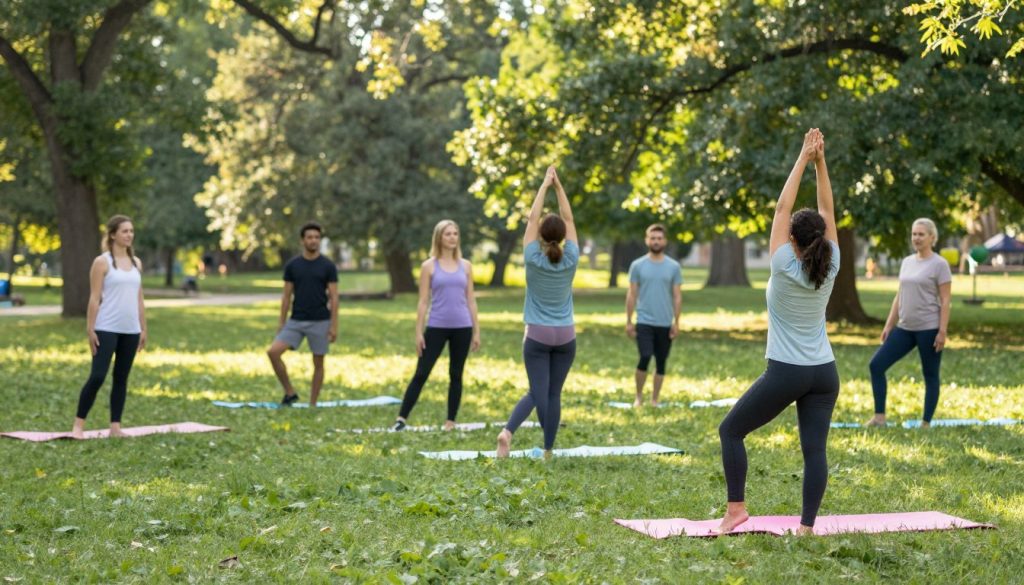
Sitting and rising without using your hands is another fundamental movement that can help improve your strength and mobility.
To practice this movement:
- Sit on the floor with your legs crossed.
- Stand up without using your hands for support.
- Repeat this process several times.
Crawling Patterns for Full Body Coordination
Crawling is a natural movement pattern that can help improve full-body coordination and strength.
Try different crawling patterns, such as:
- Forward crawling
- Backward crawling
- Lateral crawling
Step 5: Restore Natural Walking and Standing Postures
Restoring natural walking and standing postures is vital for reducing the risk of injury and improving overall mobility.
To achieve this:
- Practice walking with a natural gait, avoiding overstriding.
- Stand with your weight evenly distributed on both feet.
- Keep your head level and your shoulders relaxed.
Step 6: Add Hanging, Climbing, and Reaching Movements
Incorporating hanging, climbing, and reaching movements into your daily routine can significantly enhance your upper body strength and overall mobility.
Try to:
- Hang from a bar with an overhand grip.
- Practice climbing stairs or a climbing wall.
- Reach for objects overhead to improve your flexibility.
Step 7: Practice Balanced Breathing During All Activities
Balanced breathing is essential for maintaining optimal physical function and reducing stress.
To practice balanced breathing:
- Breathe in deeply through your nose.
- Hold your breath for a few seconds.
- Exhale slowly through your mouth.
By following these steps and incorporating natural body movement habits into your daily life, you can achieve sustainable movement practices that enhance your overall health and well-being.
Making Natural Movement Part of Your Everyday Life
Incorporating natural movement into your daily activities can significantly enhance your overall fitness. By making a few simple changes to your daily routine and environment, you can cultivate healthy body movements that become second nature.
Step 8: Redesign Your Living Space for More Movement
Transforming your living space to encourage more movement can be as simple as rearranging your furniture to create more open areas or adding a few pieces of equipment like a pull-up bar or a balance ball. Consider how you can use your space to facilitate mindful body movement routines, such as creating a dedicated area for stretching or yoga.
For example, you can place a yoga mat in a frequently used area, like the living room, as a visual reminder to practice some stretches or movements. Additionally, consider optimizing your storage to encourage more activity, such as storing items in a way that requires you to move around or stretch to access them.
Step 9: Sneak Healthy Body Movements Into Your Workday
Incorporating movement into your workday can be achieved through various strategies. One effective way is to take regular breaks to stand up, stretch, or move around. This not only helps reduce sedentary behavior but also boosts productivity and focus.
Desk-Free Alternatives and Active Breaks
Consider alternatives to sitting at your desk, such as using a standing desk or working from a comfortable standing or moving position. Take active breaks by doing a few jumping jacks, stretching, or even a short walk outside. These small actions can add up and make a significant difference in your overall movement levels.
Walking Meetings and Movement Transitions
Another strategy is to incorporate walking into your meetings. Suggest a walking meeting with your colleagues or clients to discuss ideas while moving. You can also use transitions between tasks as opportunities to move, such as walking to a different room or doing a few squats while waiting for a task to load.
Step 10: Replace Traditional Exercise With Playful Movement
Traditional exercise routines can sometimes feel monotonous or daunting. Replacing these with more playful and engaging activities can make movement feel less like a chore. Engage in activities that bring you joy, such as dancing, playing with your kids, or even gardening. These activities not only provide physical benefits but also contribute to your mental well-being.
By incorporating playful movement into your daily routine, you can maintain a consistent level of physical activity without feeling like you’re “exercising.” This approach can lead to a more sustainable and enjoyable path to fitness.
Maintaining Your Progress and Troubleshooting Challenges
To truly benefit from natural body movement, it’s essential to understand how to maintain your progress and address any challenges that arise. As you continue on your journey, you’ll encounter various obstacles that can test your resolve. However, with the right strategies, you can overcome these hurdles and make sustainable movement practices a part of your lifestyle.
Building Sustainable Movement Practices That Stick
Creating a lasting movement habit requires consistency and patience. It’s not about making drastic changes that you’ll struggle to maintain but rather about incorporating small, efficient physical habits into your daily routine. Start by setting realistic goals and gradually increasing the intensity and duration of your movements.
Tips for Sustainable Practices:
- Begin with manageable sessions and gradually increase the duration.
- Mix up your routine to avoid boredom and prevent plateaus.
- Schedule movement into your daily planner, just as you would any other important appointment.
Adapting Movements for Your Current Fitness Level
It’s crucial to tailor your movement practices to your current fitness level. This not only ensures that you’re challenging yourself appropriately but also reduces the risk of injury. Whether you’re just starting out or looking to advance your practice, understanding how to adapt movements is key.
For example, if you’re new to hanging movements, you can start by practicing with resistance bands or assisted hanging tools before progressing to unassisted hangs.
Managing Muscle Soreness and Movement Fatigue
It’s common to experience some level of muscle soreness when introducing new movements into your routine. However, there are strategies to manage this discomfort and prevent it from becoming a barrier to your progress.
| Strategy | Description | Benefit |
|---|---|---|
| Warm-Up and Cool-Down | Always begin with a gentle warm-up and end with a cool-down. | Reduces muscle strain and improves flexibility. |
| Listen to Your Body | Pay attention to your body’s signals, and rest when needed. | Prevents overexertion and injury. |
| Proper Nutrition and Hydration | Fuel your body with a balanced diet and stay hydrated. | Supports muscle recovery and overall health. |
Tracking Your Improvements Over Time
Monitoring your progress is a powerful motivator and helps you understand how far you’ve come. Keep a journal or use a fitness tracker to log your movements and note any changes in your body or how you feel.
By regularly assessing your progress, you can identify areas for improvement and make adjustments to your routine as needed. This not only helps in maintaining momentum but also in celebrating your achievements along the way.
Conclusion
By understanding and embracing natural body movement habits, you can significantly improve your overall fitness and well-being. The journey to optimal body mechanics and harmonious body motion begins with small, incremental changes to your daily routine.
As you’ve learned, evaluating your current movement quality, practicing fundamental ground movements, and incorporating natural movement patterns into your daily life are crucial steps. By redesigning your living space and sneaking healthy movements into your workday, you can maintain a consistent practice.
Maintaining progress requires patience, persistence, and a willingness to adapt movements according to your fitness level. By doing so, you’ll not only enhance your physical health but also cultivate a more balanced and healthy lifestyle.
Start your journey today, and discover the transformative power of natural movement. With consistent practice, you’ll be on your way to achieving optimal body mechanics and enjoying a more harmonious body motion.